Honorata Kornacka “Śliczny pokoik”
Kurator: Karol Pałka
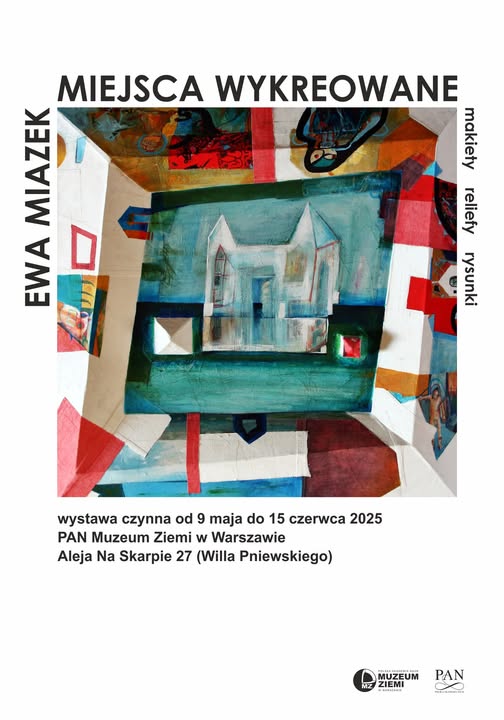
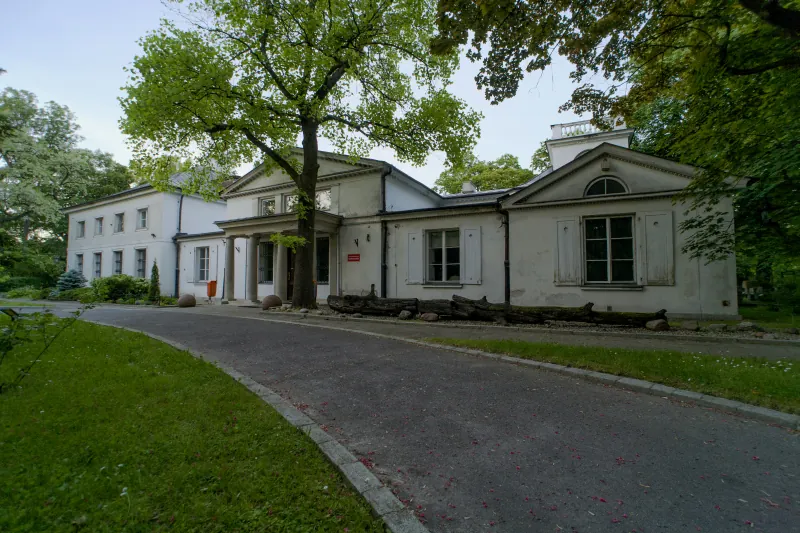
PAN Muzeum Ziemi w Warszawie
Aleja na Skarpie 27
Wystawa czynna do 31 sierpnia 2025 r.
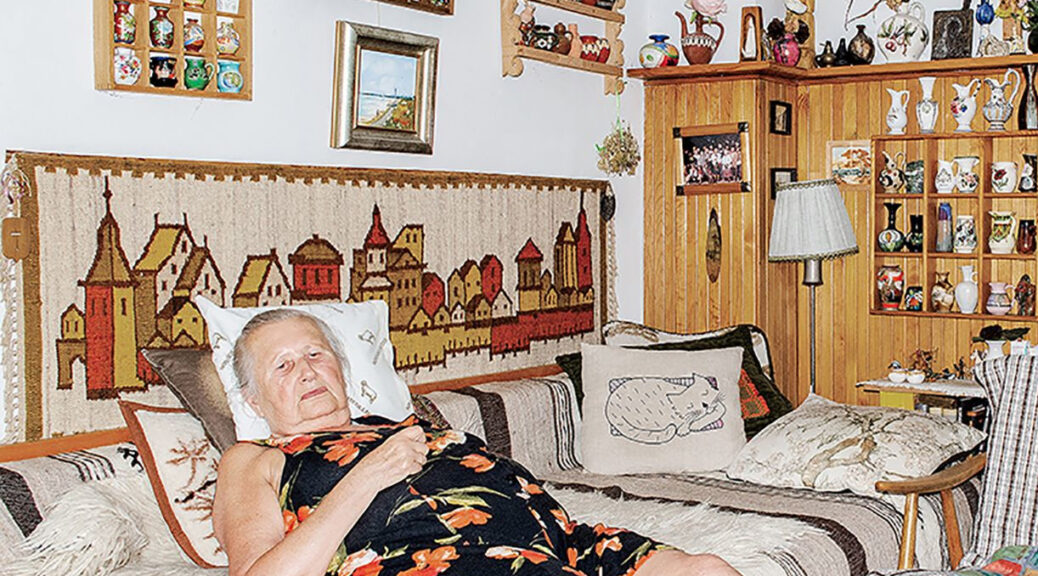
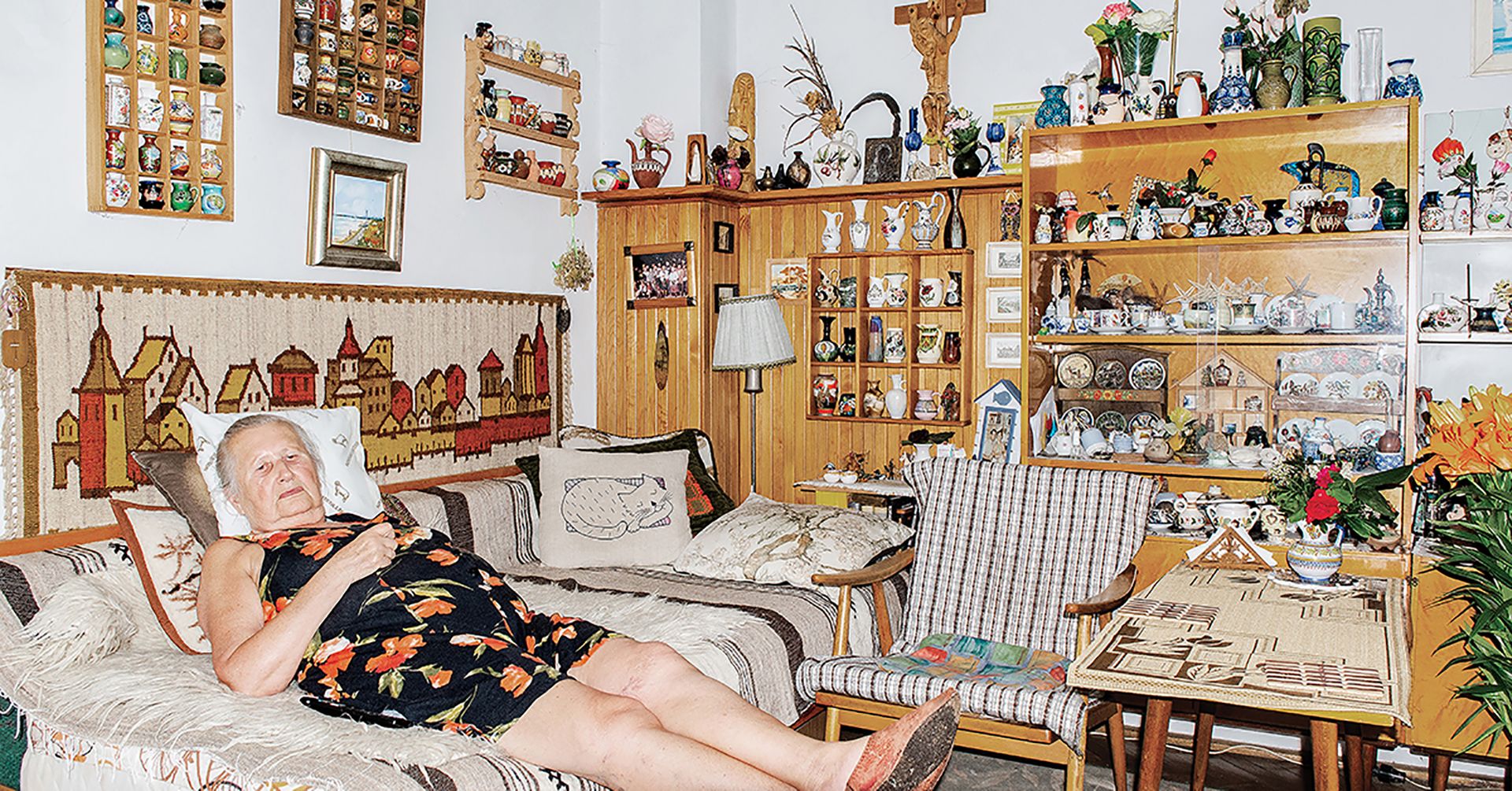
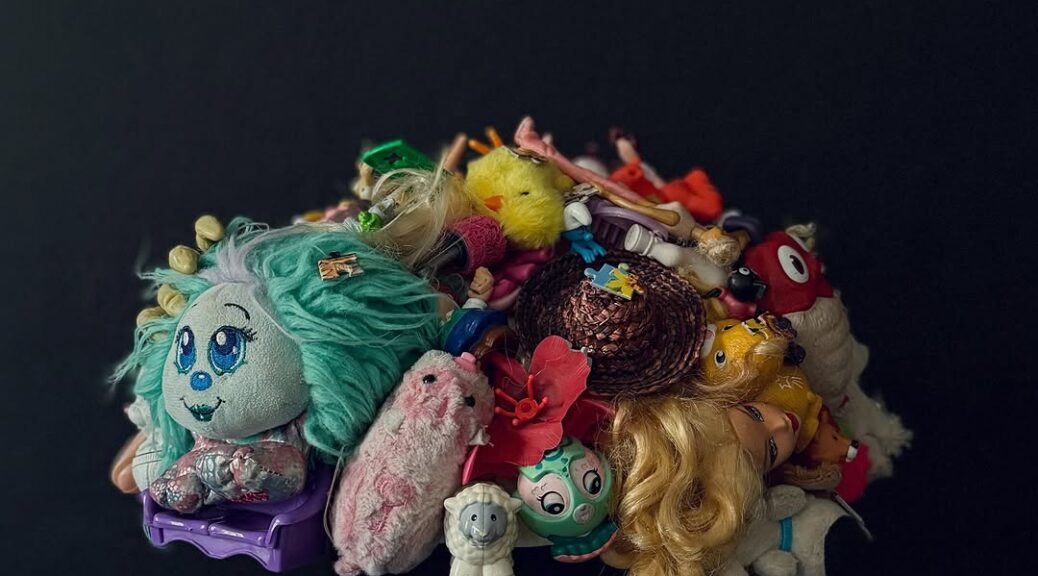
ŚLICZNY POKOIK to dom Baby Wandy, mamy mojej mamy. Jako dziecko spędzałam tu dużo czasu. Każdy pobyt u Dziadków uruchamiał moją wyobraźnię, przenosił w czasie. Badając każdy zakątek i przedmiot, odkrywałam świat. Z powodu zagracenia wnętrze może wydawać się chaotyczne, ale tu wszystko ma swoje miejsce i znaczenie. Przedmioty jako symbol czasu i osobistych przeżyć tworzą unikatowe obrazy. Mieszkanie i obiekty znajdujące się w nim odzwierciedlają duszę Baby. W jej domu da się odczuć genius loci.
„Na początku był Chaos…” – tak mówi moja Babcia, kiedy pozwala sobie na zrobienie bałaganu, bo przy sprzątaniu może poczuć się jak Bóg. Sprzątanie polega na przekładaniu przedmiotów, na aranżowaniu przestrzeni na nowo, tworzeniu scenografii. Każdy jest dla niej ważny, bo jako dziecko wychowujące się podczas II wojny światowej nie miała nic. Ze swoją mamą uciekała jedynie z małą walizeczką. Na Boże Narodzenie dostała ołówek.
Zaczęła gromadzić, ponieważ widziała wartość estetyczną w każdym najmniejszym przedmiocie. „Jak ktoś wyrzucał pudełeczko od zapałek, a miało ładny obrazek, to go zabierałam. A jak były cukierki w papierkach – owocowe – to na tym papierku był owocek. To wycinałam ten owocek i naklejałam na szafkę. Ale my nie mieliśmy szafki, to była taka drewniana skrzynka… (była wojna, 1942 rok), zwykła drewniana skrzynka oklejona szarym papierem – taka brzydkoszara. Wycinałam te obrazeczki i z tatem przyklejaliśmy je do szafki i cała była w kolorowe owocki i papierki”.
Po wojnie też panowała trudna sytuacja. Ciężko było coś zdobyć, ale Babcia stale zbierała i dbała o każdy najmniejszy przedmiot. Dziś również wszystko układa z czułością. Dla Niej ważna jest każda rzecz i każde stworzenie. Dba o nie i zawsze nas tego uczyła. Nie daje umrzeć żadnej roślince. Tłumaczy, że lalka nie może nie mieć ubranka, „bo będzie jej zimno”. Z każdego skrawka materiału potrafi uszyć strój dla lalki. Karmi wszystkich swoich gości (nawet myszy). Dla mnie jej mieszkanie jest jakby domkiem dla lalek, który tworzyłam z nią w dzieciństwie. To właśnie tą zabawą uczyła mnie dbałości o wszystko.
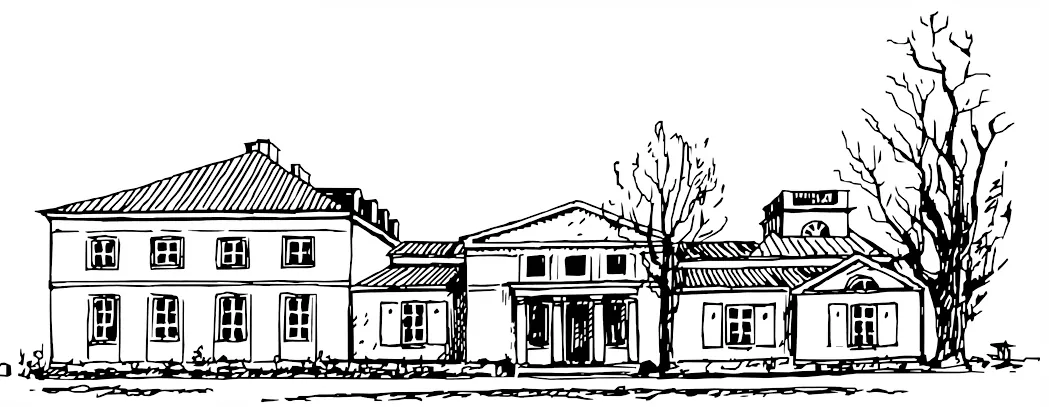
Wystawę zobaczyć można w niedawno udostępnionym pokoju córki architekta – Barbary Pniewskiej na pierwszym piętrze willi.
*Wystawa stanowi część pracy dyplomowej realizowanej w ramach studiów magisterskich na kierunku Edukacja artystyczna w zakresie sztuk plastycznych.



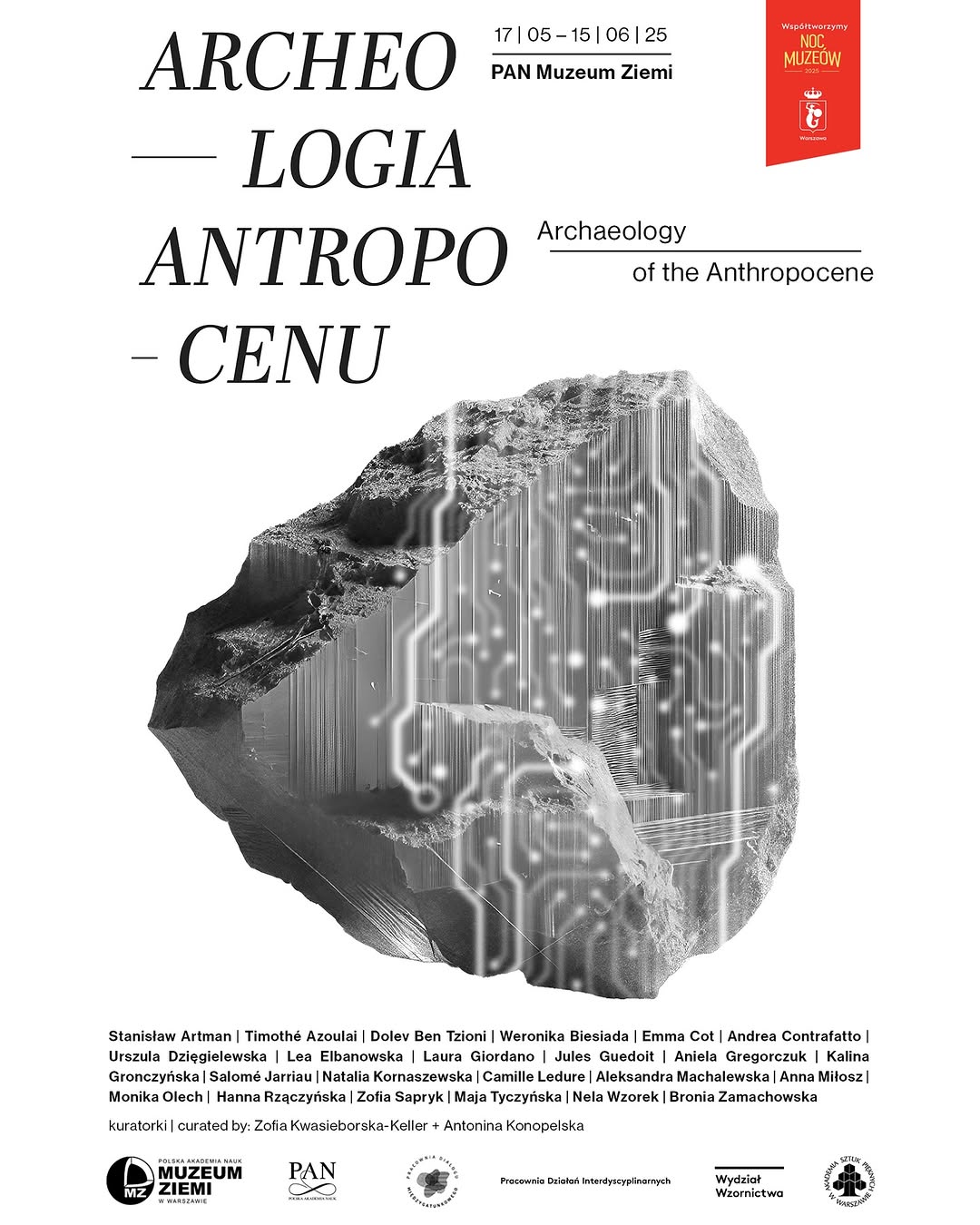

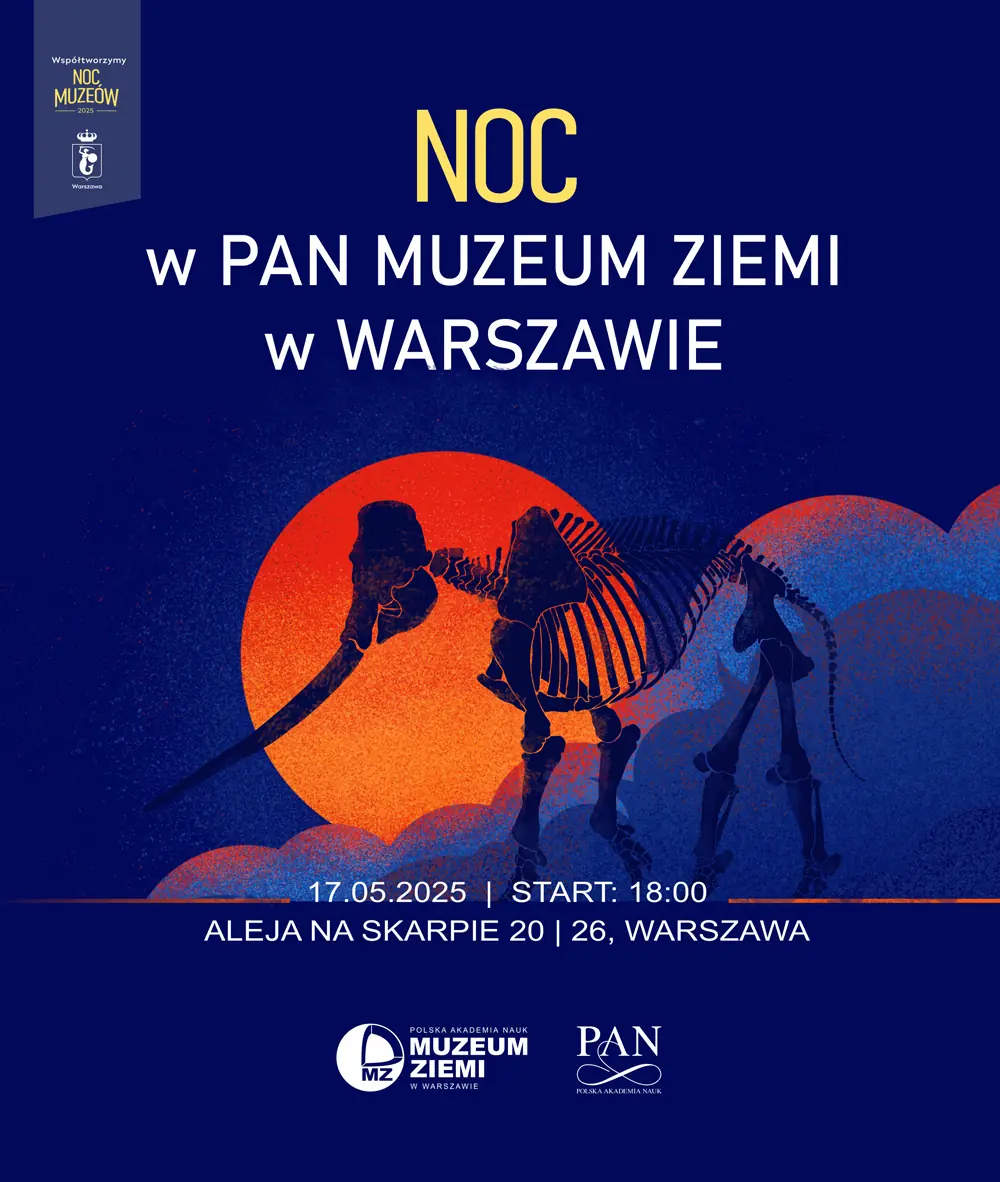
 PROGRAM WYDARZEŃ:
 18:00 Wernisaż wystawy „Archeologia Antropocenu” – artystyczno-naukowa refleksja nad wpływem człowieka na naszą planetę.
 18:30 Panel dyskusyjny „Archeologia Antropocenu” z udziałem – dr Moniki Stobieckiej oraz dr hab. Błażeja Błażejowskiego, prof. PAN.
 20:00 Wykład dr. Gwidona Jakubowskiego „60 lat w Muzeum Ziemi” – pasjonujące opowieści o poszukiwaniu dinozaurów na pustyni Gobi oraz tajnikach pracy paleontologa.
 21:00 Wykład dr. Michała Czernielewskiego o lodowcach, zmianach klimatycznych oraz roli CO₂ w geologicznej historii Ziemi.
 PRZEZ CAŁY WIECZÓR:
 Muzealna gra „Znajdź eksponat”